
 “Begin with the end in mind.” by Stephen R. Covey
The business software applications below have been developed from a business value point-of-view based on principles and laws of business value found in the book “14 Immutable Laws of Business Value“ forming an A. I. System. These tools are a suite of software tools for assisting a Business Owner and Advisor while maximizing their company’s value for more equity. Get the “big picture” of business value down to the “right” move, based on principles and laws of business value, with the tools below.
Analyzer II™
Business Value A.I. working for your Business.
What is your next business move? How would you scale? How would you leverage your business equity? This proprietary software application and our experienced Team could run multiple “what if” scenarios to find the optimum business value move within an Artificial Intelligence system. Get this A.I. system working for your company today with a complimentary review.
What would make the most difference in business value of your business in the least amount of time with little or no cost? Get Answers!
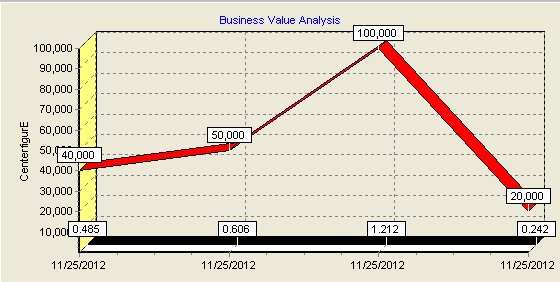 No human mind could consider all the variables and possibilities. Do not settle for less, get the full picture of business value with this application.
While the tool does it’s job, our experienced international Team along with a set of principles and laws of business value found in “14 Immutable Laws of Business Value” assist you with finding that next best move for maximizing your company’s value for more equity.
What would it take to increase your company’s value $100,000 before the loan, trade, buy-out or sale? How about $1,000,000? Start today and get a third party online complimentary review of your business to start moving forward for 2024.
CEO Analyzer
The Ideal Business Organization
As you know, a business, on average, sells every 3-5 years (a good one), like a car sells about every 2.5 years or house 7 years. Obviously, a business cannot be sold with the Owner in the business, so this HRIS tool assists an HR Director or Business Owner make the right moves towards an ideal organizational structure with a business value culture where the Owner is working on the business, not in it. If done right, the value of the business could be worth $100,000s more. There is an example in the book, “14 Immutable Laws of Business Value“of how an Owner earned over $210,000 while moving towards the Ideal Organization Model.
Whether you just started a business or are planning to exit in the next few years this initiative towards an “absentee owner business” is a must. The transition cannot happen without it. See a picture below of an typical business moving towards and ideal organization model.
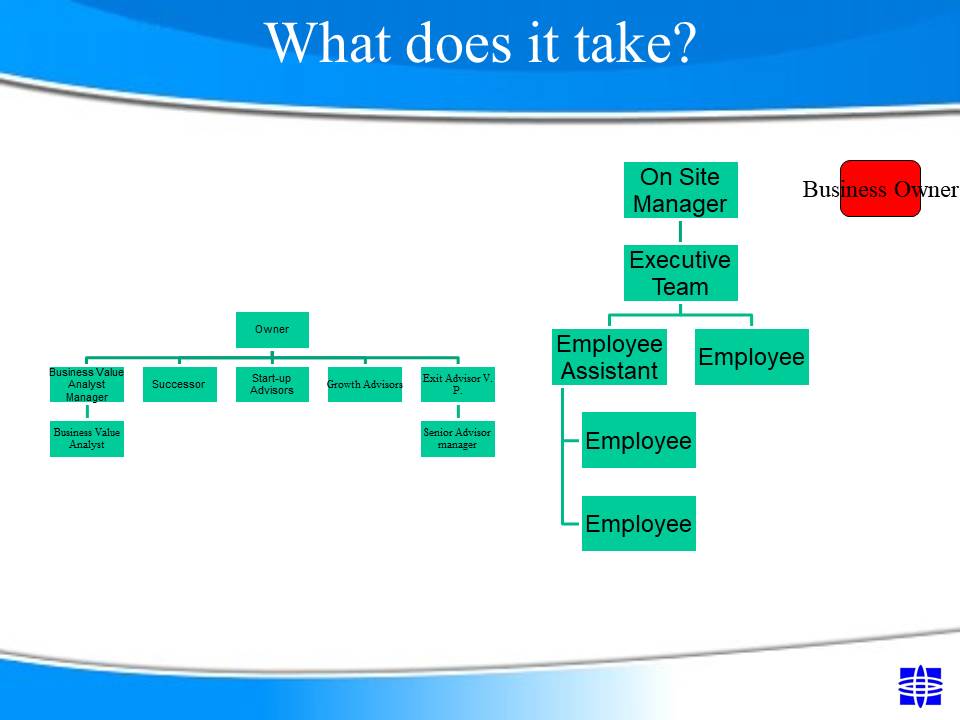 This tool along with Analyzer II™ assists the Owner to move out of the business at the optimum value. If done right, where the Owner is working on the business and not in it, the value of the business could be worth $100,000s more. ( See an example on page 11., in the book, “14 Immutable Laws of Business Value“.). What is your next move?
Analyzer I
In the beginning was the power of the word. Not the frequency count. What words do you use to create and develop your business value culture? Analyzer I is part of the application of the Analyzer II discoveries while unfolding an ideal business organization. Our in-depth word dynamics™ analysis with the words, decision making processes, roles and responsibilities and communication of your business culture begins to form new paths of untapped business value. Ask for a complimentary review of your specific situation.
These tools are designed to work together to maximize business value not just sales!
Click to set a time for an online complimentary review of your business situation.